How Stress Affects Your Gut and What You Can Do
- Bronchitis
- Grippe
Creation: 15.06.2026
Last update: 09.10.2026
Stress can disrupt the gut–brain axis, slowing digestion and contributing to constipation. Lifestyle habits like movement, relaxation, sleep, fiber and hydration support gut health. When stress-related constipation persists, short-term options such as stimulant laxatives or stool softeners may help restore bowel comfort
Stomach cramps are a common and often disruptive experience. Whether they strike after a meal, during a stressful period, or without any obvious trigger, the sharp, squeezing pain in your abdomen can range from mildly uncomfortable to completely debilitating. Understanding what causes cramps — and knowing how to treat them — can make a real difference in how quickly you recover.
What Are Stomach Cramps?
Stomach cramps — also referred to as abdominal cramps or gut spasms — are involuntary contractions of the muscles in your gastrointestinal (GI) tract. These contractions create a sudden, often wave-like pain that can last from a few seconds to several minutes.
The pain is typically felt in the lower or central abdomen, but it can radiate to the sides or upper belly depending on the organ involved. Cramps may come alone or alongside other symptoms such as bloating, nausea, or changes in bowel habits.

Common Causes of Stomach Cramps
There are many potential causes of stomach cramps. Some are acute and short-lived; others are linked to underlying digestive conditions.
Irritable Bowel Syndrome (IBS)
IBS is one of the most common causes of recurrent stomach cramps. It is a functional disorder of the gut, meaning the bowel looks normal but doesn’t function correctly. Cramps in IBS are often accompanied by bloating, gas, and alternating constipation and diarrhoea.1
Gastroenteritis
Also known as a “stomach bug,” gastroenteritis is an infection of the gut caused by a virus, bacterium, or parasite. It typically causes sudden-onset cramps, diarrhoea, nausea, vomiting, and sometimes fever.2
Food Intolerances and Sensitivities
Lactose intolerance, gluten sensitivity, and reactions to certain fermentable carbohydrates (FODMAPs) can all cause abdominal cramping. Symptoms typically appear within a few hours of eating the trigger food.3
Menstrual Cramps (Dysmenorrhoea)
In women, menstrual cramps are a very common form of lower abdominal pain caused by uterine contractions during the menstrual cycle. The pain can sometimes extend to the stomach and lower back.3
Stress and Anxiety
The gut and the brain are closely connected via the gut-brain axis. Emotional stress and anxiety can trigger or worsen gut spasms, particularly in people with IBS or other functional digestive disorders.1
Symptoms to Watch For
Stomach cramps often come alongside other digestive symptoms. Common accompanying signs include:
- Bloating and excess gas
- Diarrhoea or constipation
- Nausea or vomiting
- Loss of appetite
- A feeling of urgency to use the toilet
Most cramps are self-limiting and resolve within hours. However, you should consult a doctor if cramps are severe, persist for more than a few days, are associated with blood in the stool, unexplained weight loss, or fever.
Frequently Asked Questions
Can Buscopan be taken on an empty stomach?
Yes, Buscopan can be taken with or without food. If you experience any stomach discomfort after taking it, taking it with a glass of water or a light snack may help.
How long do stomach cramps usually last?
The duration of stomach cramps depends on the underlying cause . Cramps from gas or food intolerances typically resolve within a few hours. Those linked to IBS or menstrual cycles may recur regularly . If cramps persist beyond 72 hours or worsen, seek medical advice.
Is it safe to take Buscopan during pregnancy?
If you are pregnant or breastfeeding, you should consult a healthcare professional before taking Buscopan. As a precaution, use during pregnancy and lactation should only be on medical advice.
Can stomach cramps be a sign of something serious?
Most stomach cramps are benign and resolve on their own. However, cramps accompanied by fever, blood in the stool, persistent vomiting, sudden severe pain, or unexplained weight loss should be evaluated by a doctor promptly.
.2025-10-30-10-02-01.webp)
FAQs
Can stress cause constipation?
Yes. Stress can influence the gut‑brain axis, which may reduce intestinal movement and contribute to harder stools or less frequent bowel movements.
What constipation relief options are available?
Options depend on the symptoms. Stimulant laxatives such as Dulcolax® Laxative Tablets may help support bowel movement for occasional constipation.
Learn more



Find your product
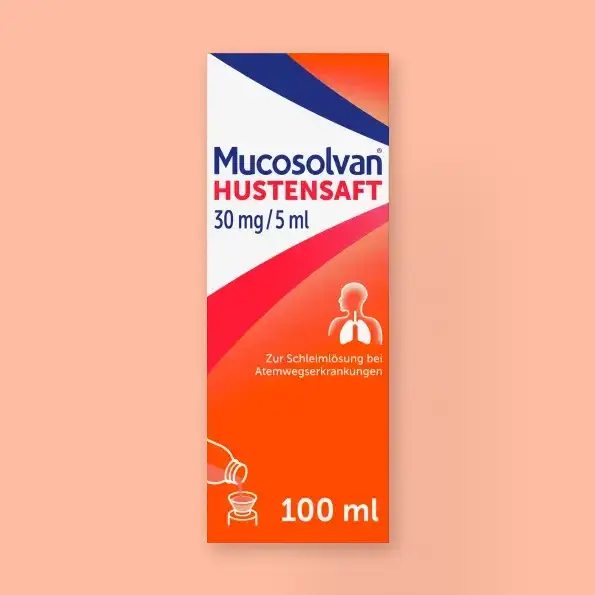
Mucosolvan® Hustensaft
- Husten
- Flüssig
- Ohne Alkohol
- Ab 0 Jahre**
- 0-2 auf ärztliche Anweisung
- Ambroxol
.2025-10-30-10-29-11.webp)
Mucosolvan® Hustensaft-Portionsbeutel
- Husten- & schleimlösend
- Flüssig
- Zitronengeschmack
- Ab 12 Jahren
Schleimlösender Hustensaft in praktischen Portionsbeuteln für unterwegs mit jeweils einer Einzeldosis Hustensaft.
.2025-10-29-07-46-22.webp)
.2025-10-30-12-44-08.webp)
Mucosolvan® Inhalationslösung
- Husten- & schleimlösend
- Für moderne Inhalationsgeräte
- Flüssig
- Ab 6 Jahren
Inhalationslösung zur Anwendung bei Husten, löst den Schleim und vereinfacht das Abhusten.
%20(1).2025-10-31-09-17-20.webp)
Mucosolvan® Lutschpastillen
- Löst Festsitzenden Schleim
- Lutschpastillen
- Geschmack: Pfefferminze & Eukalyptus
- Ab 6 Jahren
Husten? Für unterwegs – der Hustensaft zum Lutschen.
.2025-10-30-12-08-34.webp)
Mucosolvan® Tropfen
- Lindert produktiven oder verschleimten Husten
- Individuell dosierbar gemäß Dosierungsanleitung
- Tropfen
- Ab 0 Jahre**
- 0-2 auf ärztliche Anweisung
Tropfen für Tropfen hustenfrei.
.2025-10-31-09-15-30.webp)
Mucosolvan® Kindersaft
- Husten- & schleimlösend
- Flüssig
- Waldbeerengeschmack
- Ab 0 Jahre**
- 0-2 auf ärztliche Anweisung
Schleimlösender Kindersaft gegen Husten bei Atemwegserkrankungen mit zähem Schleim
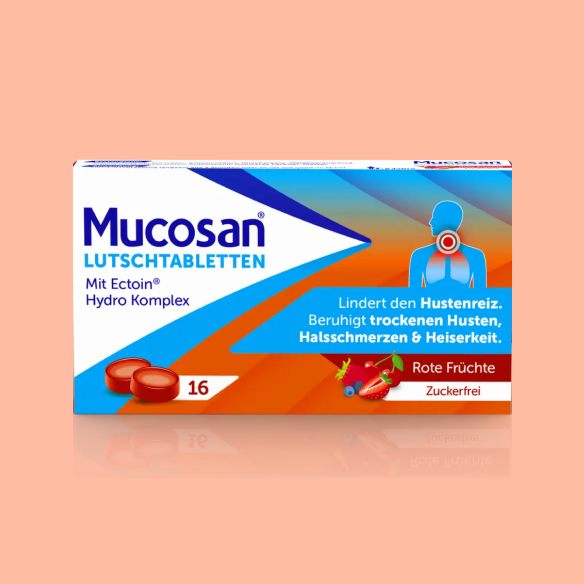
Mucosan® Lutschtabletten
- Lindert Hustenreiz
- Halsschmerzen
- Heiserkeit
- Ab 12 Jahren
- Geschmack: Rote Früchte
- Medizinprodukt
Mucosolvan® 1mal täglich Retardkapseln
- Husten- & schleimlösend
- 24-Stunden-Wirkung
- Kapseln
- Für Erwachsene
Schleimlösende Kapseln mit 24-stündiger Wirkung für Atemwegserkrankungen mit zähem Schleim
References
- Cryan, J. F., & Dinan, T. G. (2012). Stress & the gut-brain axis: Regulation by the microbiome. Current Opinion in Gastroenterology, 28(6), 559–565. Link
- Moloney, R. D., Johnson, A. C., O'Mahony, S. M., Dinan, T. G., Greenwood-Van Meerveld, B., & Cryan, J. F. (2016). Stress and the gut microbiota-brain axis. Behavioural Pharmacology, 27(2), 136–144. Link
- Ford, A. C., Lacy, B. E., & Talley, N. J. (2017). Systematic review with meta‐analysis: Stress‐management interventions for patients with irritable bowel syndrome. Alimentary Pharmacology & Therapeutics, 46(2), 106–120. Link